

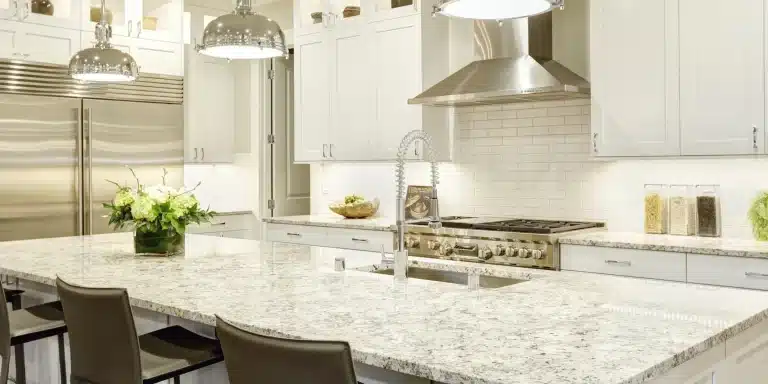
In modern architecture and interior design, seamless wall and countertop systems are no longer a luxury; they are becoming a standard for high-performance, hygienic, and visually unified spaces. From healthcare environments to hospitality and high-end residential projects, designers are increasingly prioritizing materials that eliminate joints, reduce maintenance, and improve long-term durability.
Brands like Hyundai L&C are helping drive this shift by offering advanced surface solutions that combine engineering precision with design flexibility. As we move into 2026, seamless surfaces are shaping how spaces are built, maintained, and experienced.
This guide explores how seamless systems are evolving, where they deliver the most value, and what designers, builders, and property owners should consider when specifying materials for modern interiors.
The Rise of Seamless Wall and Countertop Systems in Modern Design
The demand for seamless wall and countertop systems is growing rapidly across commercial and residential sectors. The reason is simple: traditional tiled or segmented surfaces create weak points in grout lines, seams, and joints that collect moisture, bacteria, and dirt over time.
Seamless systems eliminate these vulnerabilities, offering a continuous surface that is easier to clean and more visually refined.
Key drivers behind adoption include:
- Increased focus on hygiene in public and private spaces
- Demand for low-maintenance interior finishes
- Growth in minimalist and modern design aesthetics
- Advancements in solid surface and engineered materials
- Stricter building codes in healthcare and food service environments
In 2026, architects are no longer asking if seamless surfaces should be used, but where they can be most effectively integrated.
What Are Seamless Wall and Countertop Systems?
Seamless wall and countertop systems refer to integrated surface solutions designed without visible joints or grout lines. These systems are typically made from engineered solid surfaces, acrylic-based materials, or composite blends that can be thermoformed and bonded into continuous installations.
Unlike traditional materials such as tile, laminate, or natural stone slabs with seams, seamless systems are fabricated to appear as a single uninterrupted surface.
Core characteristics include:
- Non-porous or low-porosity composition
- Thermoformable design flexibility
- Invisible or chemically bonded joints
- Resistance to moisture penetration
- Repairable surface in many cases
These features make them especially valuable in environments where cleanliness and durability are essential.
Why Seamless Surfaces Are Transforming Interior Spaces
The shift toward seamless design is not just aesthetic; it is functional and performance-driven. Architects and designers are increasingly specifying these systems because they solve long-standing challenges in surface design.
1. Hygiene and Cleanability
One of the biggest advantages of seamless surfaces is their hygienic performance. Without grout lines or seams, there are fewer places for bacteria, mold, or residue to accumulate.
This makes them ideal for:
- Hospitals and clinics
- Commercial kitchens
- Laboratories
- Wellness and spa environments
2. Long-Term Durability
Engineered seamless systems are designed to withstand heavy daily use. Unlike tile installations that may crack or chip at joints, seamless materials distribute impact more evenly across the surface.
3. Design Continuity
Seamless systems allow designers to create uninterrupted visual flow across walls, counters, and even vertical applications. This contributes to a more cohesive and modern aesthetic.
4. Reduced Maintenance Costs
Over time, maintenance is significantly lower compared to traditional tiled or jointed surfaces. There is no need for grout cleaning, resealing, or joint repairs.
Applications of Seamless Wall and Countertop Systems
The versatility of seamless wall and countertop systems makes them suitable for a wide range of environments. Their adaptability is one of the reasons they are increasingly specified in 2026 design projects.
Healthcare Facilities
In healthcare, hygiene is non-negotiable. Seamless surfaces help reduce contamination risks and support strict sanitation protocols.
Common applications:
- Patient rooms
- Operating areas
- Laboratories
- Sterile processing zones
Hospitality and Commercial Interiors
Hotels, restaurants, and retail spaces benefit from seamless aesthetics that are both durable and visually appealing.
Use cases include:
- Reception counters
- Bathroom wall systems
- Bar and service counters
- High-traffic corridor finishes
Residential Spaces
Homeowners are also embracing seamless design for kitchens and bathrooms, where cleanliness and style are both priorities.
Popular residential applications:
- Kitchen countertops and backsplashes
- Bathroom shower walls
- Laundry and utility surfaces
Educational and Institutional Buildings
Schools and universities require durable, easy-to-maintain materials that can withstand constant use.
Seamless systems are commonly used in:
- Restrooms
- Cafeterias
- Science labs
- Common areas
Material Innovation Behind Seamless Systems
The evolution of seamless wall and countertop systems is closely tied to advancements in material science. Manufacturers like Hyundai L&C are investing in engineered surfaces that combine aesthetics with performance.
Solid Surface Technology
Solid surface materials are a key driver of seamless design. These materials can be thermoformed and joined invisibly, creating continuous installations even around curves and corners.
Acrylic-Based Composites
Acrylic blends offer flexibility, stain resistance, and repairability. Minor surface damage can often be sanded out, extending product life.
Hybrid Engineered Materials
New hybrid systems combine natural minerals with resins to improve strength while maintaining design versatility.
Design Benefits That Go Beyond Function
While performance is critical, seamless systems also offer significant design advantages that align with modern architectural trends.
Minimalist Aesthetic Appeal
Clean lines and uninterrupted surfaces support minimalist design principles that remain dominant in 2026.
Enhanced Spatial Perception
Seamless transitions between walls and countertops can make smaller spaces feel larger and more open.
Custom Fabrication Options
Designers can specify:
- Integrated sinks
- Curved surfaces
- Waterfall edges
- Continuous wall-to-counter transitions
This level of customization allows for highly tailored interior environments.
Installation Considerations for Seamless Systems
While seamless systems offer many benefits, proper installation is essential to achieve optimal performance.
Key installation factors:
- Substrate preparation – Surfaces must be properly leveled and stabilized
- Precision fabrication – Accurate cutting and joining ensure invisible seams
- Professional bonding techniques – Specialized adhesives are required for durability
- Thermal expansion planning – Materials must accommodate temperature changes
- Finishing and polishing – Final surface refinement ensures a uniform appearance
Working with experienced fabricators is critical to ensuring long-term success.
Sustainability and Environmental Impact
Sustainability is becoming a major consideration in material selection. Many modern seamless systems are designed with environmental responsibility in mind.
Sustainability advantages include:
- Long product lifespan reduces replacement frequency
- Repairability minimizes material waste
- Some materials incorporate recycled content
- Low-VOC formulations support indoor air quality
As green building standards become more widespread, seamless systems are increasingly aligned with certification frameworks such as LEED and WELL.
Future Trends in Seamless Wall and Countertop Systems (2026 and Beyond)
The future of seamless wall and countertop systems is closely tied to innovation in materials, fabrication, and digital design tools.
1. Smart Surface Integration
Emerging technologies may allow seamless surfaces to incorporate:
- Touch-sensitive controls
- Embedded lighting systems
- Antimicrobial coatings
2. AI-Assisted Design Customization
Design software is increasingly enabling real-time visualization of seamless installations, improving precision and reducing fabrication errors.
3. Increased Demand in Modular Construction
As modular and prefabricated construction grows, seamless systems will play a key role in pre-engineered interior components.
4. Expanded Color and Texture Libraries
Manufacturers are expanding design options to include more natural stone looks, matte finishes, and textured surfaces.
Choosing the Right Seamless System for Your Project
Selecting the right material system depends on the project’s functional and aesthetic requirements.
Consider the following factors:
- Level of traffic and usage intensity
- Hygiene and sanitation requirements
- Design style and visual goals
- Budget and lifecycle cost
- Maintenance capacity
Consulting with material experts and manufacturers helps ensure the right system is selected for long-term performance.
The Lasting Value of Seamless Design
Seamless wall and countertop systems are redefining how interior spaces are designed and experienced. They combine durability, hygiene, and design continuity in a way that traditional materials struggle to match.
As architectural expectations continue to evolve in 2026, seamless systems are no longer just an upgrade; they are becoming a foundational element of modern design thinking.
With continued innovation from companies like Hyundai L&C, the future of interior surfaces is moving toward cleaner lines, smarter materials, and more efficient performance across every type of built environment.








Leave a Reply