

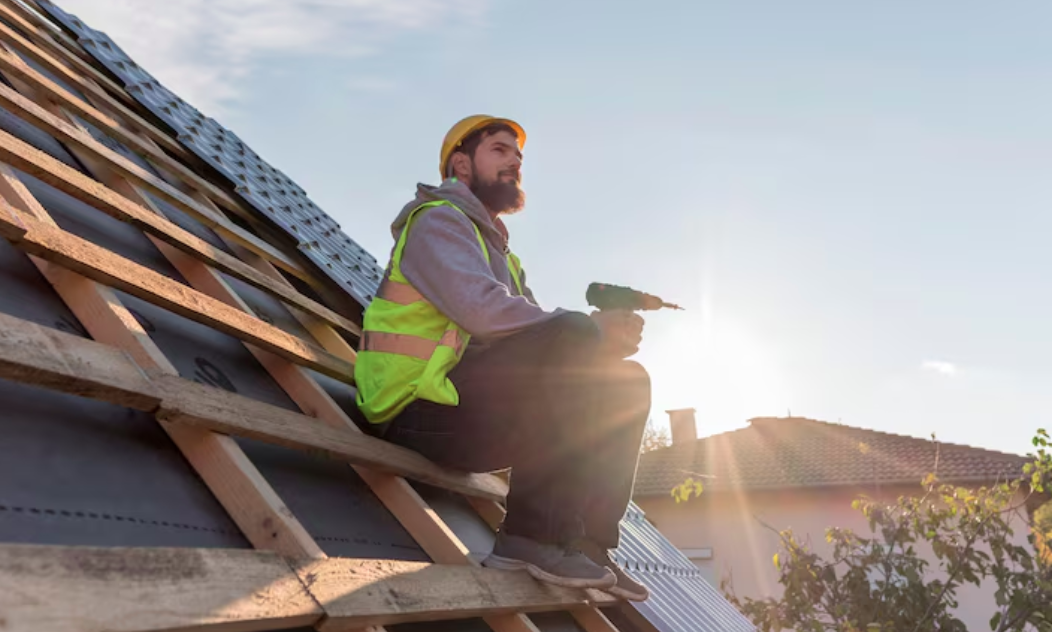
The roof of your commercial building is one of your most significant capital assets, providing essential protection for your operations, inventory, and personnel.
Maintaining its structural integrity requires more than just reactive repairs; it demands a systematic approach to care that prioritizes longevity and performance.
By implementing a consistent maintenance strategy and addressing minor issues before they escalate, you safeguard your business from costly operational disruptions and protect your bottom line for many years to come.
Partnering With Expert Commercial Roofers
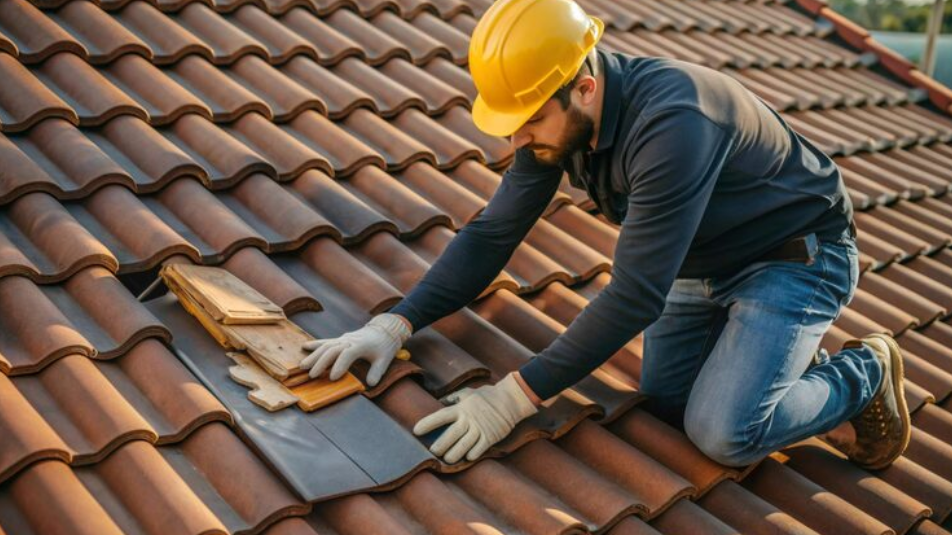
The quality of care your roof receives depends heavily on the expertise of the professionals you choose. Collaborating with certified commercial roofers ensures that your property is inspected and serviced by individuals trained to identify the specific vulnerabilities inherent in large-scale roofing systems.
These experts possess the technical knowledge to navigate complex drainage patterns, HVAC penetrations, and specialized roofing materials.
By establishing a long-term partnership with a trusted team, you gain access to professional diagnostics and precise craftsmanship that keep your building’s primary barrier in peak working order.
Establishing a Rigorous Commercial Roof Maintenance Plan
Consistency is the cornerstone of protecting a commercial asset. Implementing a structured commercial roof maintenance program is essential to preventing the gradual accumulation of damage that often goes unnoticed.
This program should include scheduled semi-annual inspections and immediate follow-ups after severe weather events. By documenting the condition of your roof, tracking repairs, and clearing debris regularly, you create a baseline of health for your system.
This proactive stance ensures that minor punctures or seam separations are corrected immediately, preventing the moisture infiltration that eventually leads to structural decay.
Optimizing Drainage and Debris Management
Water is the primary enemy of any roofing system. Commercial roofs, often characterized by low slopes, are particularly susceptible to pooling water, which can quickly degrade membranes and flashing. Regularly cleaning roof drains, scuppers, and gutters is a vital task in your maintenance routine.
Removing leaves, sediment, and industrial debris ensures that water is directed away from the surface efficiently. A clean, clear drainage system eliminates the risk of heavy standing water, which protects the structural deck from the weight and moisture damage that cause expensive failures.
Monitoring Roof-Mounted Equipment
Commercial buildings frequently support heavy HVAC units, ventilation systems, and communication equipment on the roof. These installations create high-traffic areas and numerous potential entry points for moisture.
During every inspection, carefully examine the condition of the seals around these roof-mounted units. Ensure that service technicians working on these machines are not causing physical damage to the roof membrane.
Properly securing and sealing these penetrations is essential to maintaining a watertight building envelope.
Addressing Membrane and Flashing Vulnerabilities
The integrity of your roof is only as strong as its weakest seam. Over time, environmental exposure, thermal expansion, and contraction can cause flashings to lift and membranes to blister or crack. Regularly examine the transition points where the roof meets walls, chimneys, and parapets.
Using high-quality sealants and reinforcement materials to address these minor gaps prevents water from seeping into the building’s insulation, which can cause significant internal damage and reduce the energy efficiency of your facility.
Building a Culture of Property Stewardship
Finally, view your roof as a critical component of your business’s overall risk management strategy. Keep thorough records of all maintenance activity, inspections, and repair history. This documentation is invaluable for warranty compliance, insurance reporting, and long-term capital expenditure planning.
By treating roofing care as a continuous, documented commitment, you ensure that your commercial property remains a safe, resilient, and highly functional environment, protecting your investment and supporting the success of your business operations.






Leave a Reply