

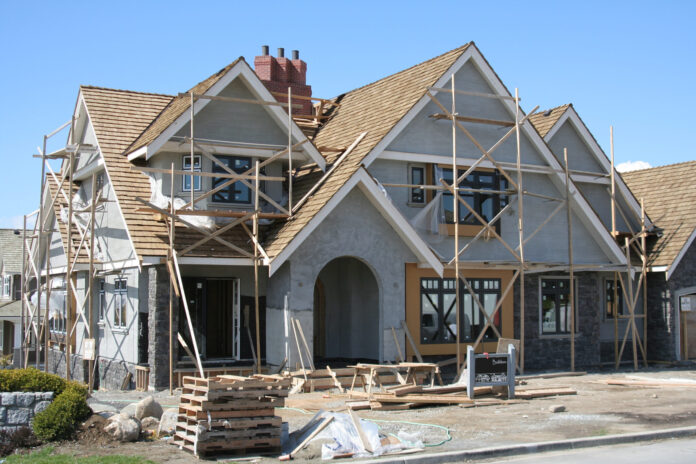

When I sit down with clients and developers asking “How much does it cost to build a house in Texas?”, I always caution them: this isn’t just about lumber and labor — it’s about timing, design, local markets, and the decisions you make upfront that can save or sink your budget. Over my 15 years advising on construction projects, I’ve seen costs swing wildly, sometimes by as much as 25%, depending on those factors.
If you’re considering building a home in the Lone Star State, let’s break down the numbers, benchmarks, and hidden factors in play.
1. Average Cost Per Square Foot in Texas
When prospective homeowners ask me “What’s the going rate per square foot?”, I often hear numbers tossed around with little context. The reality? As of 2025, building a house in Texas averages between $130 and $200 per square foot.
I’ve seen budget builds push closer to $100 per square foot in rural areas. On the flip side, luxury custom homes near Austin or Dallas can easily exceed $250–$300. This delta comes down to labor availability, material choices, and design preferences.
Back in 2018, steel and lumber spikes pushed many projects over budget. Today, supply chain pressures have eased, but inflation keeps costs creeping. The lesson? Always pad your budget by 10–15%.
Look, the bottom line is: don’t get locked into just the square-foot metric. I once worked with a client who focused purely on $/sqft and ignored finishes — by the end, the “cheap build” was 20% over what a mid-tier option would’ve cost upfront.
2. Land Acquisition and Preparation Costs
Before you even pour a foundation, you’ve got to consider the land purchase and prep work. In Texas, land can range from $20,000 per acre in rural counties to over $300,000 in hot suburban markets.
What many first-timers miss is site prep costs: clearing trees, grading slopes, and soil testing. I’ve seen lots where rocky terrain added $30,000+ in excavation work. If your land sits far from utilities, trenching and running lines can double your prep costs vs. a lot inside a master-planned subdivision.
In my consulting days, one client bought “discount” land near Dallas. Gorgeous views, yes — but the soil wasn’t stable. They had to install deep piers at $40,000 extra. That’s why I always say: paying a bit more for the right lot can save six figures later.
Don’t forget property taxes. In Texas, counties reassess quickly, so as soon as your house crosses phases, your tax bill will rise. Don’t let that surprise you mid-build.
3. Foundation and Framing Costs
Foundation and framing form the structural core, accounting for nearly 20–25% of total build expenses. In Texas, where soils can expand and contract dramatically with rain cycles, foundations require extra attention.
Slab-on-grade is standard, but in the Dallas-Fort Worth area, I’ve seen homes needing reinforced post-tension slabs, easily adding $10,000 more than a simple slab. Basements are rare in Texas due to soil conditions — but not impossible if budget allows.
Framing costs, primarily lumber and steel, vary with design complexity. Open-concept floorplans are popular now, but they demand higher-grade beams to span wide spaces. One client insisted on cathedral ceilings; by the time we added steel support, framing costs jumped 18%.
Here’s the reality: cutting corners here is short-term thinking. A weak foundation or bad framing decision will haunt you with cracks, shifts, or even structural failures in 10 years. Pay for sturdiness — Texas weather demands it.
4. Labor Costs Across Texas
Labor is often underestimated. Texas benefits from a strong construction workforce, but major cities face high competition, pushing hourly rates higher. Building in Austin is different from building in Lubbock.
For example, I’ve seen general contractors in Houston quoting carpentry at $40/hour, while smaller towns stick closer to $25/hour. During the 2021 construction boom, rates spiked as much as 30% due to demand outpacing skilled labor. That imbalance has cooled, but wages rarely drop back down.
One developer I advised tried to cut costs by hiring less-experienced crews. The project ended up six months late and riddled with corrections — costing more than the higher-bid team would have. The 80/20 rule applies: 20% of the crew ends up solving 80% of the problems.
So be selective. If you’re weighing labor quotes, ask yourself: Am I choosing cheap labor or capable labor? Because over the lifecycle of the home, the latter always pays off.
5. Regional Variations: Houston vs. Austin vs. Rural Texas
Here’s what most online guides gloss over: building costs aren’t uniform across Texas. What you’ll pay in Houston isn’t what you’ll pay in Amarillo.
- Houston/Galveston: Costs trend higher due to flood regulations and storm-proofing standards. Expect additional drainage and elevation requirements.
- Austin metro: One of the hottest housing markets nationally. Labor competition and rising land values drive costs up.
- Rural Texas: Land is cheaper, but utility access can skyrocket infrastructure costs.
I once worked on two similar 2,500 sq. ft. homes — one in Austin, one in rural North Texas. Same blueprint, but the Austin project cost $80,000 more, largely because of labor rates and material delivery expenses.
The strategy? Always build budgets specific to your region. National averages are irrelevant to your actual bottom line.
6. Material Quality and Design Choices
Ask any builder: you can either spend on materials now or repairs later. This is where costs really swing between a $250,000 home and a $1 million home.
Basic packages might use laminate counters, vinyl flooring, and builder-grade windows. Upgrade to quartz counters, hardwood floors, and energy-efficient windows, and you’ve easily added $50,000–$100,000.
The trap I’ve seen many fall into: nickel-and-diming upgrades throughout the project. Instead of a cohesive plan upfront, they piecemeal decisions. By the end, they’ve spent 40% more on change orders. My advice: lock in design priorities before the foundation is poured.
I often point clients to broad cost ranges from HomeAdvisor’s guide on house building costs to sanity-check their assumptions before overcommitting.
7. Permit, Legal, and Utility Costs
Unlike materials or labor, permits and regulatory costs are fixed by your municipality. In Texas, permits can range from $2,000 in small towns to $10,000+ in larger metros. Complex designs or variances will drive extra review fees.
Other hidden costs:
- Impact fees
- Utility tap-ins (water, sewer, gas)
- Inspections throughout the build
I consulted with a family near San Antonio whose build was delayed three months due to septic system approval issues. The lost time alone cost them $15,000 in rental housing. Delays cost money, often more than the fees themselves.
Bottom line: check early with your county and city to map out fees and timeline. Surprises here are the easiest to avoid if you stay proactive.
8. Hidden and Post-Build Costs
Here’s what nobody wants to budget for, but everyone faces: hidden and post-build costs. Furnishing, landscaping, fencing, window treatments — none of these appear in your contractor’s quote but can easily add $25,000 to $75,000, depending on taste.
Then there’s maintenance. Texas summers push HVAC systems hard; oversized units may cost more up front but reduce long-term repair cycles. Insurance is another factor — flood zones and hail-prone areas command higher premiums.
I worked with a homeowner who maxed out financing on construction itself, only to realize they hadn’t budgeted for permanent financing closing costs. They ended up scrambling for short-term loans. That’s a stress nobody needs.
The smartest clients always leave at least 10% of the project budget untouched — a cushion for the inevitable. Think of it as risk management, not wasted money.
Conclusion
So, how much does it cost to build a house in Texas? The answer isn’t a single number — it’s a range shaped by land, labor, materials, and choices that reflect your priorities. Costs generally fall between $130–$200 per square foot, but the project-specific details are what make or break success.
From my decades in this field, the best advice I can give is this: plan holistically, not reactively. Don’t chase low bids without understanding trade-offs. And always build in contingencies. In Texas — with its booming housing market and unpredictable weather — the difference between a smooth build and a financial headache often comes down to preparation.
20 Frequently Asked Questions (FAQs)
1. How much does it cost to build a 2,000 sq ft house in Texas?
Typically $260,000 to $400,000, depending on location and finishes.
2. Is it cheaper to build or buy a house in Texas?
In rural areas, building can be cheaper. In cities, buying often wins.
3. What’s the cheapest city in Texas to build a house?
Generally rural towns like Lubbock or Waco.
4. Do property taxes affect build costs?
Yes — taxes increase once your property is reassessed.
5. Can I build a house in Texas for under $200,000?
Possible in rural areas with modest finishes, but difficult in metros.
6. How long does it take to build a home in Texas?
Typically six to nine months, but supply delays can stretch timelines.
7. Are custom homes more expensive?
Yes — custom homes cost 20–30% more than spec builds.
8. Do Texas climates affect building style?
Yes, slab-on-grade and energy-efficient HVAC are common due to heat.
9. Can I save money acting as my own general contractor?
You may save 10–15%, but risk major delays without experience.
10. What are average permit costs in Texas?
Anywhere from $2,000 in small towns to $10,000+ in large metros.
11. Do financing costs add significantly?
Yes, interest carry and loan fees can add 3–5% of project cost.
12. Are rural builds slower?
Often yes, due to labor and utility access delays.
13. How much is site prep in Texas?
Site work averages $5,000 to $30,000, sometimes higher with rocky soil.
14. Which city has the highest costs?
Austin consistently ranks as the highest due to demand.
15. Are luxury finishes worth it?
They increase resale, but returns vary — kitchens yield the most value.
16. Does building on your own land save money?
Yes, but only if utilities are accessible. Off-grid lots cost more.
17. What about flood zone building?
Flood zones require elevation and higher insurance premiums.
18. Are modular homes cheaper in Texas?
Yes, often 10–20% less than traditional homes.
19. Does drought affect costs?
Water availability influences utility development costs in rural areas.
20. Will costs keep rising?
Short-term, inflation keeps pressure up; long-term, supply chain stabilization may help.