


Introduction
In nearly two decades of navigating regulatory processes—whether for business permits, licenses, or compliance issues—I’ve learned that the mechanics of any state-level application aren’t just about paperwork; they’re about understanding nuance. Applying for a handicap placard in Texas follows the same principle. On the surface, it’s simple: fill out a form, get a doctor’s certification, and submit it to the DMV. But in reality, missing a small detail can cause frustrating delays—something I’ve seen countless professionals overlook in business and in life.
If you’re asking “How do you get a handicap placard in Texas?”, the answer involves more than just forms. It’s about eligibility, timelines, renewals, and knowing which pitfalls to avoid—skills that, frankly, overlap with running an efficient operation. Let’s break it down step by step.
1. Understanding What a Handicap Placard in Texas Really Means
In business, clarity is everything. I once worked with a client who misunderstood the scope of a government incentive—costing them six figures. The same applies here: a handicap placard isn’t a parking sticker; it’s a legal tool tied to mobility rights in Texas.
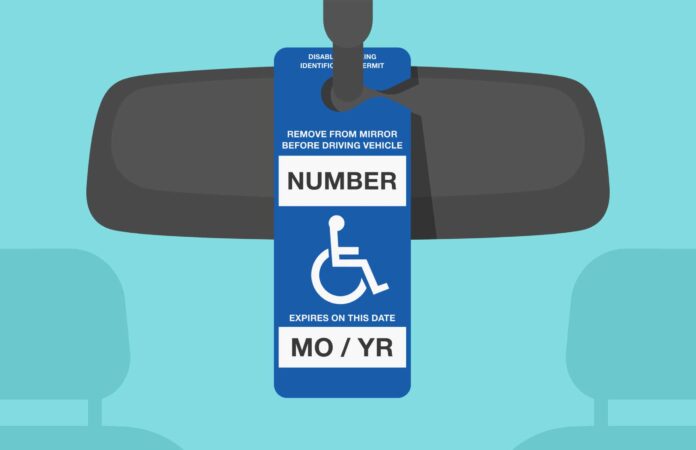
A handicap placard in Texas allows individuals with qualifying medical conditions (temporary or permanent) to park in designated accessible spaces. There are two main types: blue permanent placards (long-term disabilities) and red temporary placards (short-term conditions). Both require a licensed medical professional’s certification.
Why does understanding this matter? Because I’ve seen families apply for the wrong type, only to redo everything weeks later. Similar to signing the wrong version of a contract—time lost, resources wasted. If you know upfront whether your condition qualifies as temporary or permanent, you can save yourself that cycle of rework. Efficiency, whether in business projects or DMV paperwork, always comes from informed decision-making.
2. Eligibility Requirements: Who Qualifies for a Handicap Placard in Texas?
The eligibility discussion reminds me of a boardroom decision we had back in 2018. Everyone “thought” they knew which market qualified for our product. Turns out, only half of them fit the criteria. That misstep cost us six months of work.
For handicap placards in Texas, the eligibility rules are clear, but easily misunderstood. Conditions generally include mobility impairments, severe heart or lung disease, reliance on assistive devices, or significant vision impairment. But here’s the catch: the determination must come from a licensed physician, podiatrist, optometrist, or in some cases, advanced-practice nurse or chiropractor.
Not every condition qualifies. Temporary pain from a recent surgery might qualify, but general fatigue won’t. You need medical validation. Just like in business, where “we think this will work” doesn’t cut it—you need benchmarks and official sign-off.
Bottom line: Don’t self-diagnose and assume eligibility. Let a certified professional confirm it, otherwise you may face rejections that set your timeline back.
3. How to Apply: The Step-by-Step Texas Placard Application Process
I’ve implemented onboarding processes where missing one click derailed the entire workflow. The handicap placard application in Texas works the same way: the steps aren’t complicated, but the sequencing matters.
Here’s the breakdown:
- Get the Form – Use Texas DMV Form VTR-214.
- Get Medical Certification – A medical professional must officially confirm your condition.
- Choose Placard Type – Red for temporary disabilities (good for 6 months) or blue for permanent.
- Submit with ID – You or an authorized representative can deliver paperwork to your local County Tax Assessor-Collector’s office.
- Wait for Processing – Typically a few weeks.
I’ve seen applications delayed simply because the applicant left one box unchecked or failed to attach identification. It’s like submitting a great RFP without the pricing section—nobody is going to chase you down; they’ll just delay processing.
If you take one lesson from business strategy here, it’s that attention to detail equals speed.
4. Permanent vs. Temporary Placards in Texas: What’s the Difference?
Think of this as deciding between hiring a contractor and a full-time hire. Both solve problems, but the scope and duration are entirely different.
- Blue Placard (Permanent): Valid for up to four years. Designed for long-term or lifelong conditions. Renewable, but requires ongoing medical proof.
- Red Placard (Temporary): Valid for up to six months. You’ll need to reapply if mobility doesn’t improve.
I once knew a colleague who applied for a permanent placard despite his condition being short-term. The application was denied outright—wasted months. The reverse happens too: applying for temporary when you’re eligible for permanent just creates a cycle of unnecessary renewals.
This distinction is critical. Treat placard applications like resource allocation decisions: short-term vs. long-term investment. You wouldn’t build permanent infrastructure for a six-month campaign. Apply the same logic here.
5. Renewal and Replacement: Keeping Your Placard Current
Here’s a reality every business leader knows: renewals and upkeep are rarely exciting but always necessary. The same applies to handicap placards in Texas.
Permanent placards last up to four years, while temporary ones last six months. Renewal requires resubmitting Form VTR-214 with medical recertification. Replacement, on the other hand, comes into play if your placard is lost, stolen, or damaged. No one enjoys these steps, but ignoring them means risking citations or fines.
I’ve seen teams ignore subscription renewals for critical business tools and end up scrambling when services cut off. Similarly, if your placard expires, you lose the right to accessible parking—until renewal is complete. That can leave you stranded at a crucial moment.
A practical tip: mark calendar reminders for 30–60 days before your expiration date. It’s the same habit I recommend to my clients for business contracts, insurance policies, or software renewals.
6. Costs and Fees: What You Need to Budget For
The good news: applying for a handicap placard in Texas is free. I’ve spent years helping companies trim costs, and free government-issued permits are rare.
However, there are nuances. If you also want disabled license plates, those carry standard registration fees. Replacing a lost placard generally doesn’t cost extra, but vehicle-related services sometimes do.
Think of it this way: the placard itself won’t impact your budget. But if accessibility is part of a bigger mobility plan—say specialized transport or medical visits—the downstream costs add up. When I budget projects, I never underestimate the “hidden costs.” It isn’t the placard filing that drains time and money; it’s the ecosystem of transportation, time, and compliance around it.
7. Common Mistakes and How to Avoid Delays
I’ve seen massive projects derailed by small oversights. The same goes for handicap placard applications in Texas.
Some common pitfalls:
- Forgetting medical certification
- Submitting an incomplete form
- Failing to provide valid ID
- Choosing the wrong placard type
Each of these adds weeks to processing. I once worked with a client who submitted 200 compliance documents to a regulator, only to discover 10% were missing signatures. The project stalled immediately.
In practical terms, review the application twice. Ask your physician to confirm correct completion. Treat it like a business contract review—because in bureaucratic terms, that’s exactly what it is.
8. Where to Get More Information and Help
When I advise executives entering new markets, I always tell them: know your authority sources. Rumors and second-hand info wreak havoc.
For handicap placards in Texas, the Texas Department of Motor Vehicles (TxDMV) is your go-to. Their official website has the forms, guidance, and updates. If you want a reliable resource, here’s where to start: Texas DMV Handicap Placards.
From a practical standpoint, talk to your physician’s office as well—they process these forms daily. It’s the equivalent of tapping into local market experts instead of guessing from the outside.
Conclusion
So, how do you get a handicap placard in Texas? The bottom line is this: it’s less about bureaucracy and more about disciplined execution. Understand eligibility, choose the right type (temporary or permanent), submit complete forms with medical certification, and renew on time.
What I’ve learned over the years is that success—whether in business or DMV paperwork—comes from respecting the process. Don’t cut corners, don’t assume, and don’t rely on hearsay. If you follow the steps, you’ll secure your handicap placard efficiently and avoid unnecessary setbacks.
FAQs: How Do You Get a Handicap Placard in Texas?
1. Who qualifies for a handicap placard in Texas?
Anyone with a certified disability or mobility impairment, verified by a medical provider.
2. Do I need a doctor’s signature for my application?
Yes, medical certification is required.
3. Can I apply online?
Typically, applications are submitted in person or by mail, not online.
4. How long does it take to get approved?
Usually a few weeks, depending on county office workload.
5. Are placards free in Texas?
Yes, applying for a handicap placard carries no charge.
6. What’s the difference between red and blue placards?
Red is temporary (6 months), blue is permanent (4 years).
7. Can someone else submit my application?
Yes, an authorized representative may submit for you.
8. What if I lose my placard?
You’ll need to request a replacement through your county office.
9. Can I use my placard in other states?
Yes, handicap placards are generally recognized nationwide.
10. Do I need to return an expired placard?
Yes, it should be surrendered when expired.
11. Can I get both a placard and license plates?
Yes, depending on eligibility and preference.
12. How do renewals work?
Submit a new form with updated medical certification.
13. Do temporary placards require renewal?
Yes, if your condition persists past six months.
14. Can two people share one placard?
No, placards are tied to specific individuals.
15. Do veterans qualify automatically?
No, they must still meet medical disability requirements.
16. Can businesses get handicap placards?
No, only individuals with certified disabilities qualify.
17. What if my doctor refuses to certify me?
You’ll need medical proof; without it, you can’t qualify.
18. Can I park anywhere with a placard?
Only in designated accessible parking spaces, not unrestricted zones.
19. Are there penalties for misuse?
Yes, misuse can result in fines and revocation.
20. Where can I get the official form?
From your county tax office or TxDMV’s official website.